Common Ground
Appalachia Institute
Making Ecology Accessible
Accessible restoration. Practical ecology. Shared tools for stewardship.
Common Ground Appalachia Institute is a living educational ecology & permaculture site in Virginia’s Appalachian Mountains, dedicated to making ecological restoration more accessible, practical, and community-centered. We design, test, and document small, replicable projects that help people steward land with greater confidence—whether they’re learning for the first time, returning to the work after time away, or adapting restoration practices to different bodies, capacities, and resources.
Our approach is grounded in regenerative practice, ecological study, and deep respect for place. We focus on what can be done now: clear methods, thoughtful design, and real-world constraints. As we build, we share what we learn through field notes, templates, and partner pilots with schools, senior centers, conservation groups, and local organizations—so the tools we develop can travel beyond our site and support restoration efforts across Appalachia and beyond.
Programs
Program 1: Forest Ridge Demonstration Garden
The Forest Ridge Demonstration Garden is a small-scale educational garden designed to demonstrate accessible, ecologically grounded land stewardship practices in a ridge-top Appalachian forest. The program functions as a living demonstration site and applied learning space, emphasizing observation, documentation, and inclusive engagement with land rather than intensive food production.
Program 2: Citizen Science Vegetable Trial (Raised Bed)
The Citizen Science Vegetable Trial program partners with Virginia Cooperative Extension’s 2026 Home Vegetable Variety Trials, engaging community members to grow a defined set of vegetable, herb, and flower crops, collect standardized data on performance, and submit evaluations that inform statewide recommendations. (ext.vt.edu)
Common Ground Appalachia’s (CGA) role is to support local participation, accessibility, and documentation, making this credible, low-infrastructure programming that builds trust, partnerships, and learning across our region.
We will also be designing an accessible raised bed system to pilot at CGAI and in the surrounding community.
Program 3: Accessible Worm Farming
The Accessible Worm Farming program is a small-scale, educational vermicomposting initiative designed to demonstrate accessible, low-barrier soil health practices suitable for homes, schools, and community-scale projects. The program emphasizes learning through observation and hands-on engagement rather than production volume, positioning vermicomposting as an approachable entry point into regenerative systems.
Program 4: Flora & Access - Field Notes from Appalachia
Flora & Access is a documentation-first ecology education program focused on Appalachian plant life, landscapes, and access considerations. The series functions as the public-facing core of Common Ground Appalachia’s pilot phase, translating on-site ecological observation into accessible, plain-language field notes.
Program 5: Consulting in Accessible Ecology
Accessible Ecology Consulting is a mission-supporting program that translates Common Ground Appalachia Institute’s on-the-ground learning into advisory and technical assistance services for aligned organizations. The program is informed directly by CGAI’s demonstration guild, citizen science, vermicomposting, and documentation initiatives, ensuring that consulting guidance is grounded in lived practice rather than theory.
The purpose of this program is to support other organizations in integrating accessibility into ecological education, land stewardship, and community-based environmental work, while generating modest earned revenue to reinforce CGAI’s core programs.
Accessibility
is our
Foundation
Common Ground Appalachia is committed to making our website and our work as accessible as possible.
Informed by lived experience, we strive to center accessibility across all aspects of our approach to ecological education and land stewardship.
Given the many ways people access information and environments, our goal is to reduce barriers. We support a wide range of needs and will continue improving accessibility as our capacity grows.
Where We Are
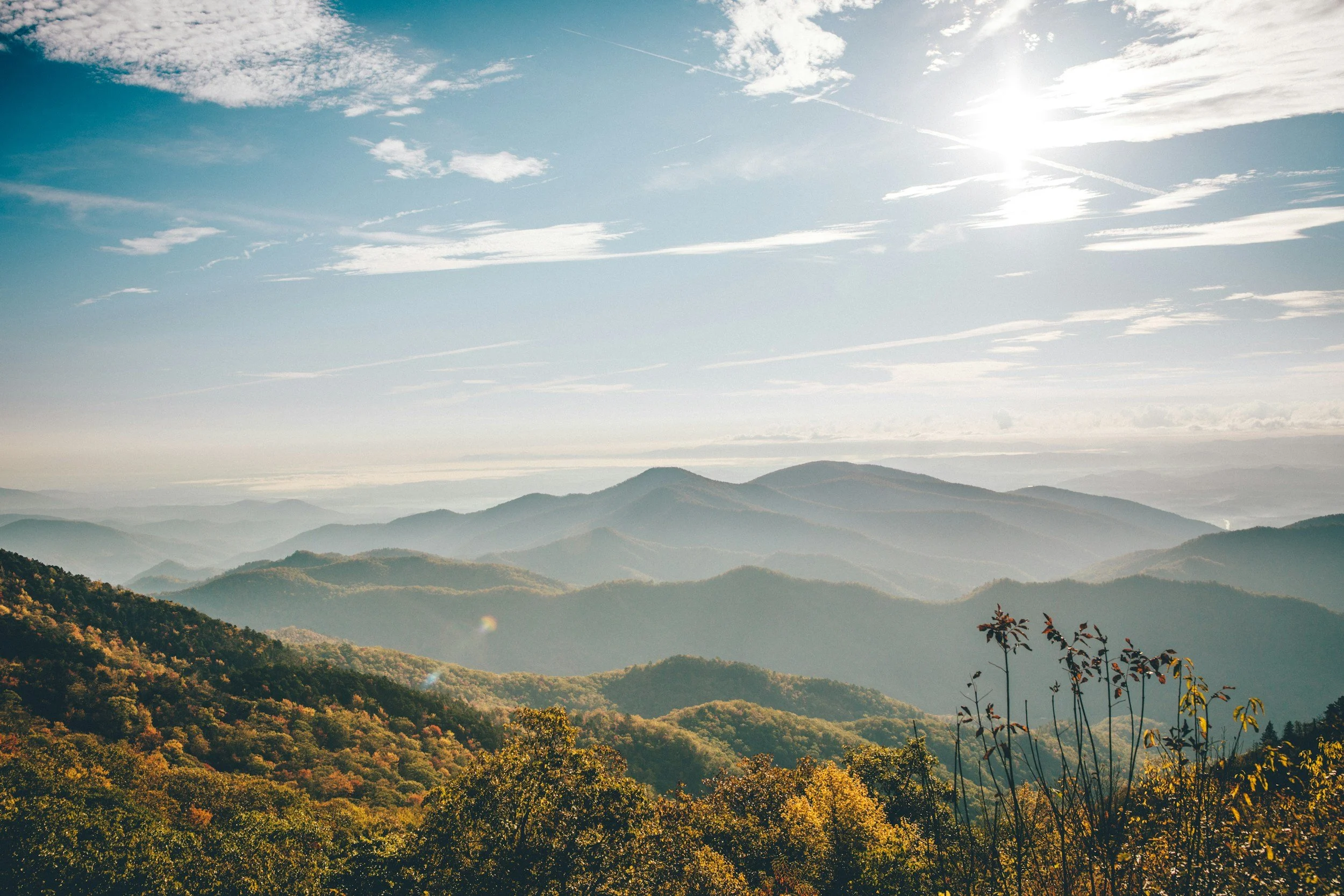
We are located in the Appalachian Mountains of Virginia, along the Blue Ridge at approximately 2,300 feet in USDA Hardiness Zone 7a. The site includes an open slope and meadow, bordered by a mature hardwood forest, creating a diverse landscape for ecological learning, experimentation, and restoration.
Our work takes place on the ancestral lands of the Monacan Indian Nation, who have stewarded this region for generations. We recognize that this land was taken through displacement and dispossession, and we approach our work with care, humility, and responsibility as present-day stewards—not owners.